
How the Williamsport Community Trust began putting local gifts to work.
In 1916, James B. Krause and James B. Graham gave $30 together to start something they hoped would outlive them. Albert F. Young was part of that beginning, too. He served on the original committee of the Williamsport Community Trust, the organization we know today as First Community Foundation Partnership of Pennsylvania
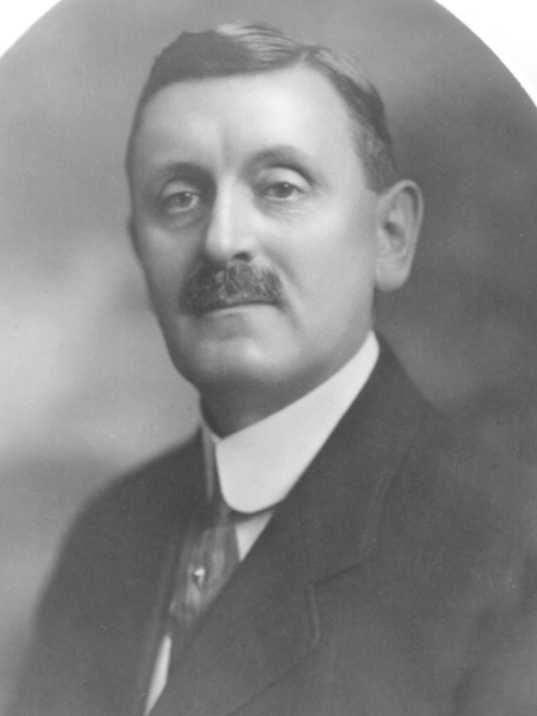
Albert F. Young
Young chose to give back through his estate. When he died in 1921, he left nearly $150,000 for the Foundation and named nine local charities he wanted his gift to support. That same year, the Foundation made its first grants from the Young Trust.
The first distributions
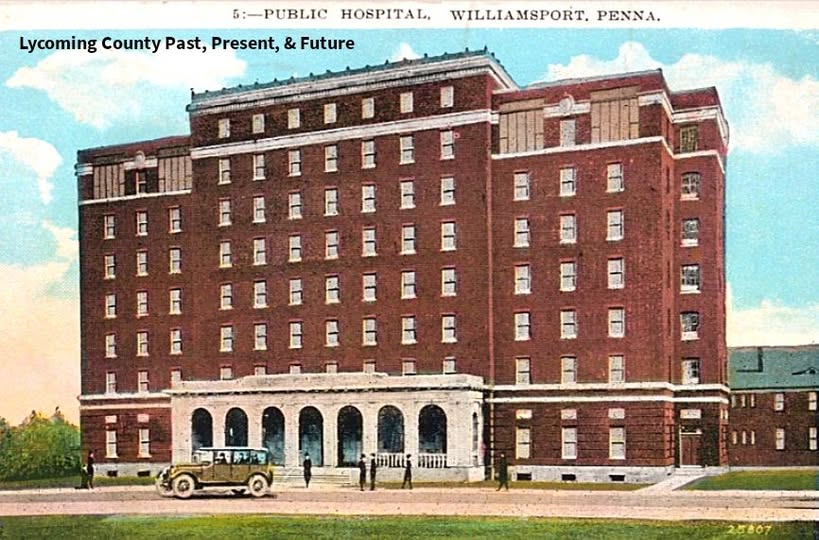
One of those first grants was $500 for Williamsport Hospital. For a neighbor who needed a hospital bed or a family counting on someone to care for a loved one, the hospital had a purpose anyone could understand. Young’s gift reached people through a place they already knew and relied on.
The hospital was one of nine organizations Young remembered. He also named the YMCA, the YWCA, the Salvation Army and the Home for the Friendless, later known as the Williamsport Home. The other four were the Boys’ Industrial Home, the Girls’ Training School, the Florence Crittenton Mission and an organization then known as the Home for Aged Colored Women.
Read together, those names tell us something about Williamsport a century ago. A hospital could care for a patient, but it couldn’t meet every need a neighbor might have. Young made room in his gift for several kinds of care and for the people already doing that work.
A gift that kept giving
The $500 the hospital received in 1921 was the beginning of a longer connection. When the Foundation published its centennial history in 2016, it recorded that annual contributions from Young’s estate had continued for nearly a century.
Krause and Graham had imagined a way for people to give back long beyond their own lifetimes. Young showed what that could mean: a decision he made for his neighbors was still helping care for patients generations later.